The way people are supported to live independently is set for a major shift, as leading technology-enabled care provider Tunstall Healthcare launches a new platform designed to bring housing, health and care together.
The new platform, ILOS (Independent Living Operating System), moves away from traditional, closed care technology by instead connecting devices, data and emergency responses through a single open system.
Designed to help services move from reactive alarm handling to more proactive, preventative care, ILOS brings together AI, real-time data and connected devices to support collaboration between health, care and neighbourhood teams.
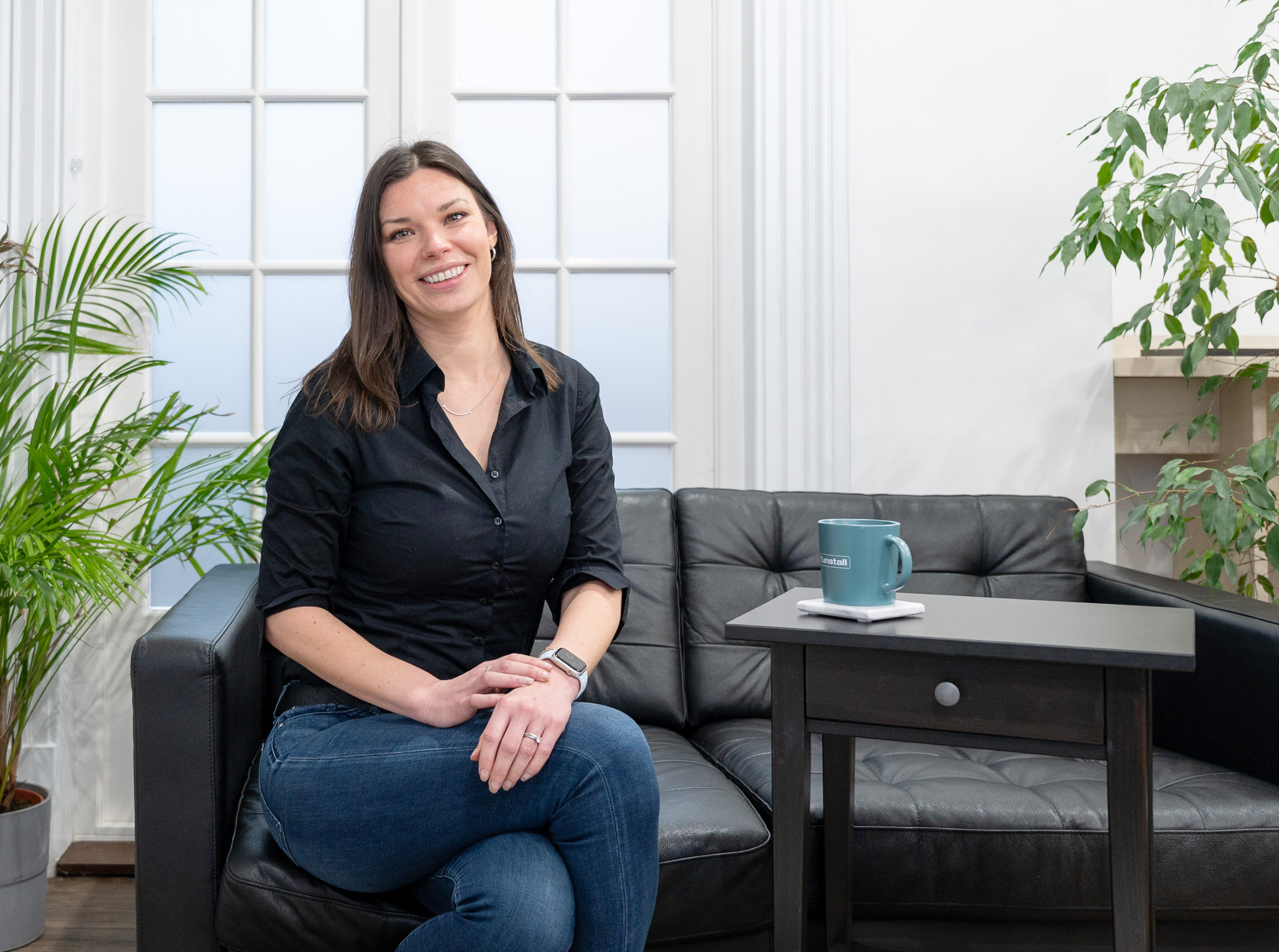
Nikki Williams, Director of Solution & Innovation at Tunstall Healthcare, explains: “Helping people live independently at home for longer has been the sector’s defining challenge for decades. ILOS redefines how independent living is monitored and has the power to connect historically siloed services.
“Independent living technology has traditionally been built around individual devices and isolated responses and ILOS represents a move towards a more connected model, where data and technology can help services identify changing needs earlier and work together to provide more proactive support.
“ILOS is also device-agnostic by design, meaning it will work with any alarm, wearable or sensor with a digital pulse, with minimal configuration to match bespoke provider settings. This should provide an ecosystem that is standards-based and interoperable, compliant with NHS, housing and social care standards, with open APIs connecting shared care records and responder networks.
“We believe this is the next chapter for independent living – creating a more open ecosystem that can evolve around people’s needs, rather than asking services to adapt to fixed technology. Ultimately, that means creating more connected, affordable and preventative care experiences for more people.”
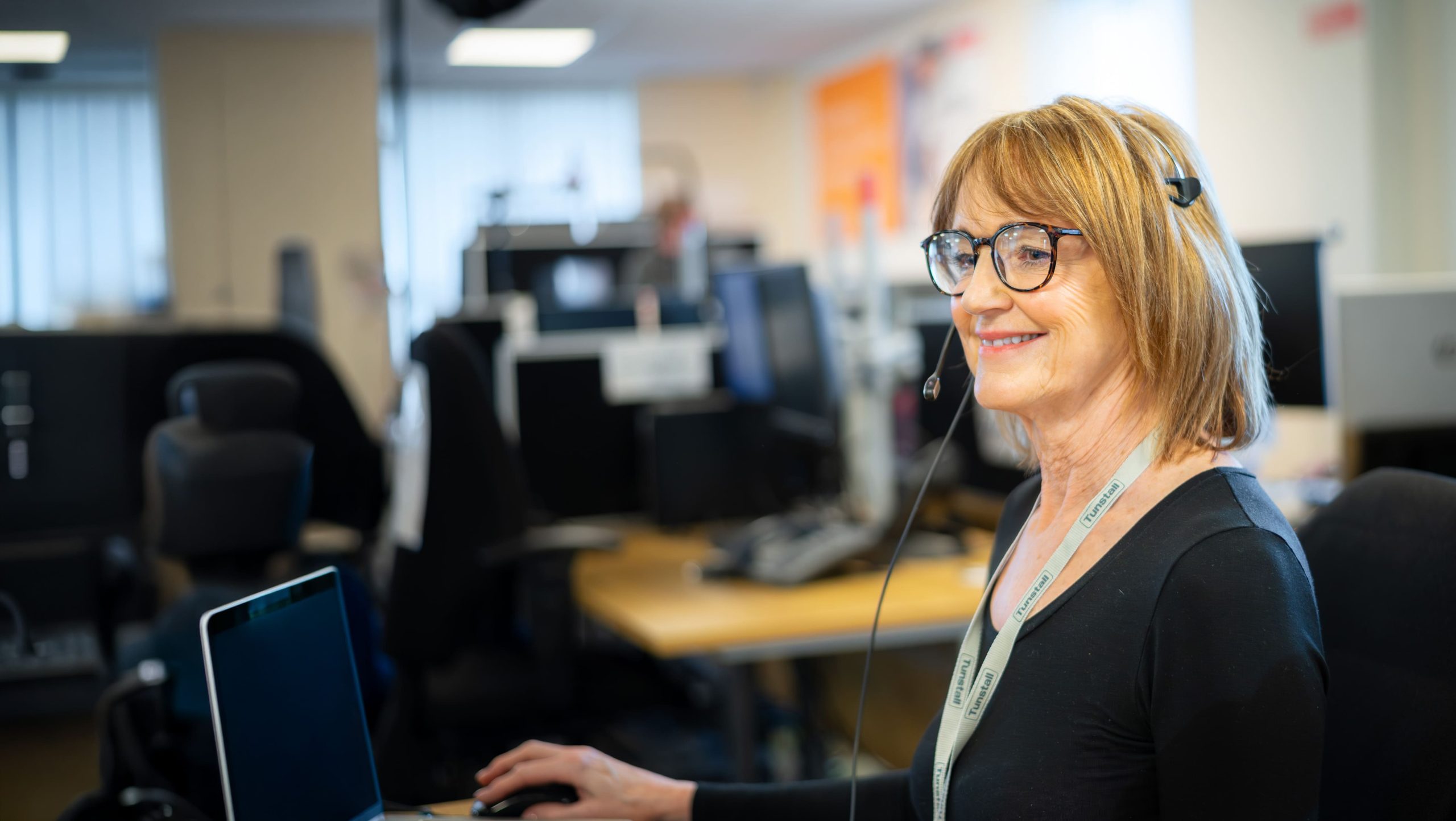
Following 12 months of innovation and beta testing with select customers, ILOS is now available for implementation in Alarm Receiving Centres (ARCs) across the UK.
Throughout its development, Tunstall Healthcare has worked alongside customers to test the platform in real service environments, using live insight to refine functionality and ensure ILOS can be deployed seamlessly to support a reliable, connected service from day one.
This collaborative approach has made ILOS the first customer-led product of its kind to enter the social care market, with its development continuing beyond launch. As independent living services evolve, so too will ILOS, with future features and functionality shaped by the changing needs of the organisations and people it supports.
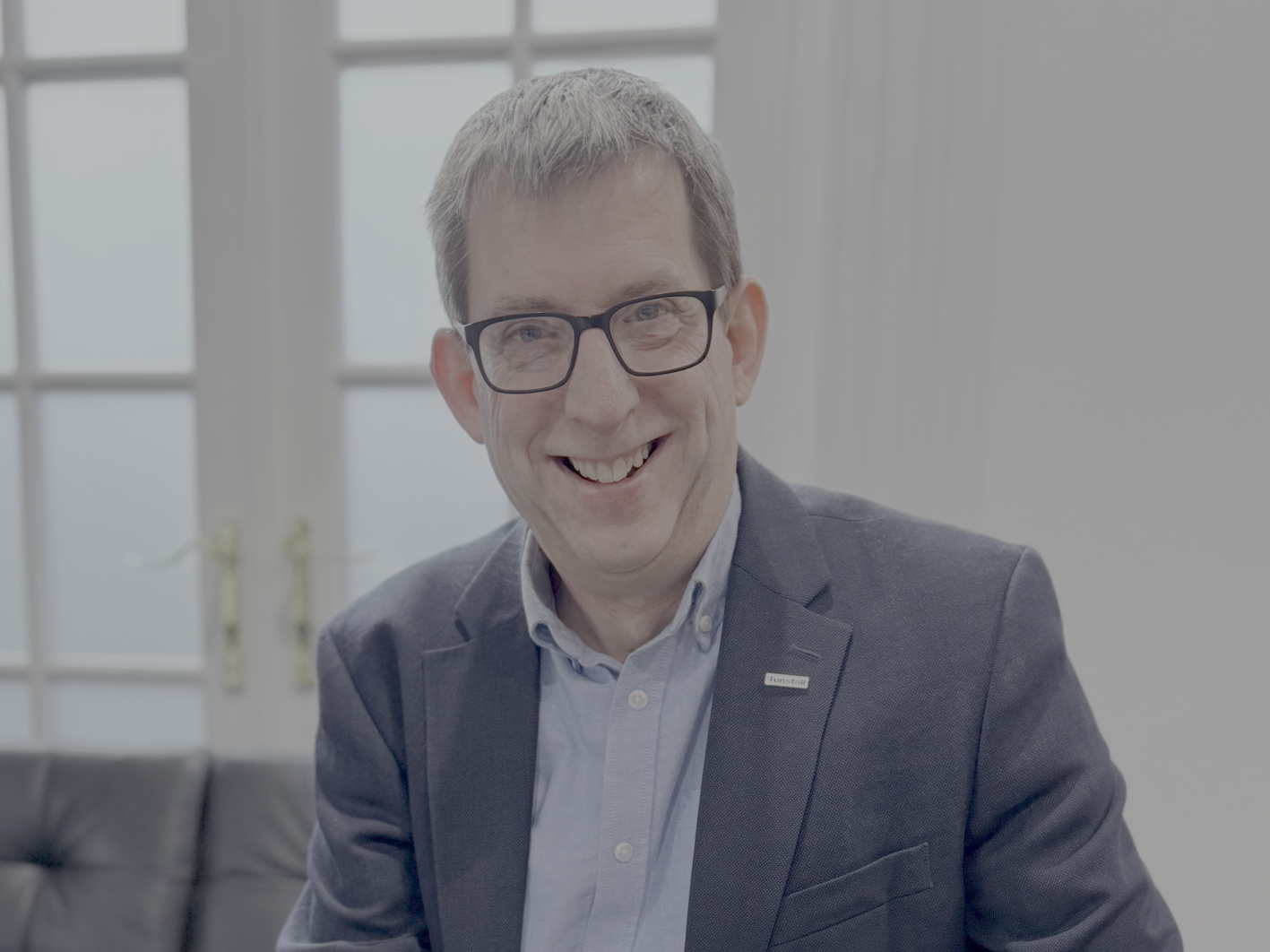
Mark Hindle, UK Managing Director at Tunstall Healthcare added: “ILOS has been built on the principle that support needs to wrap around people, not technology. That means services must connect and work together, sharing information and purpose to deliver more joined-up, insight-driven care across health, housing and social care.
“Care is changing, expectations are rising, demand continues to grow and the resources available to meet that demand are under increasing pressure. Reactive models of care are no longer enough and existing delivery approaches are struggling to keep pace with the needs of today’s services and the people who rely on them.
“This isn’t just another software platform – it’s in its simplest form the only way to push the sector forward – with stronger operations, better outcomes and less complexity.”
Tunstall Healthcare founded the technology enabled care sector, creating the first dedicated monitoring centre software to manage emergency calls in 1981. Since then, 45 years of innovation have followed leading to the creation of ILOS, another move in shaping the UK’s health, housing and social care sectors.
ILOS has the ability to turn every call and signal into structured, real-time insights, providing the data required to demonstrate impact, target resources more effectively and intervene before a crisis point is reached.
For people drawing on support, the result is care that responds to changing needs rather than waiting for them to escalate, helping more people remain independent at home for longer.