When people talk about the future of care, the conversation almost always starts with digital transformation. And rightly so. We’ve made enormous progress, moving from paper records and pull cords to connected devices, digital care records and increasingly intelligent services.
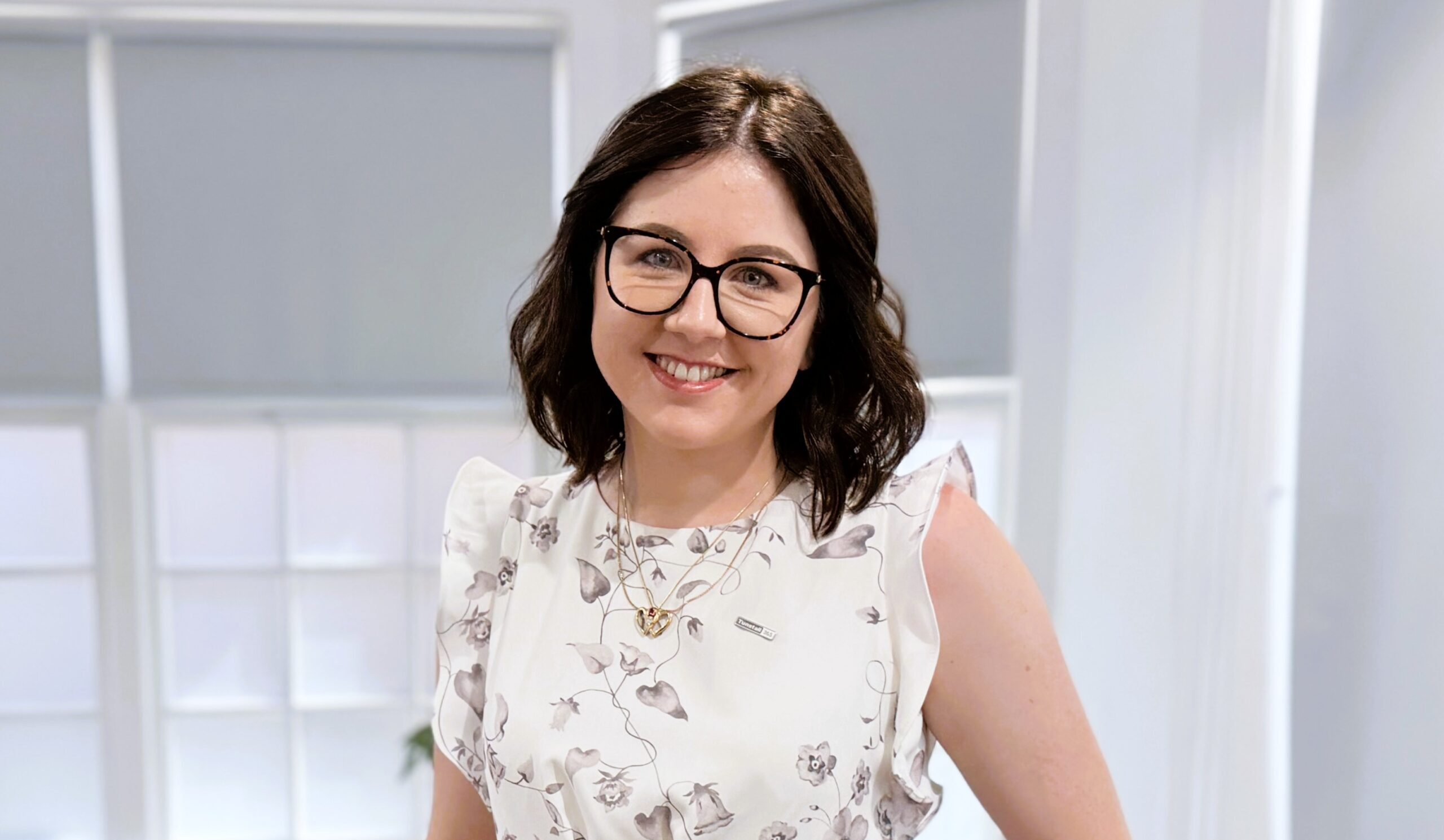
But Shantelle Million-Lawson believes there’s another transformation happening alongside it. One that’s perhaps even more significant. It’s not the technology that’s changing fast. It’s people’s expectations.
One of my earliest memories of care is standing in a care home manager’s office surrounded by filing cabinets and paperwork. I would have been around five years old, visiting my mum at work in a care home. I remember hearing the phrase, “If it wasn’t written down, it didn’t happen.” At the time, that was simply how care was delivered.
By the age of 16, I was using Tunstall CareAssist pagers, occupancy sensors and door sensors as part of a care team. By 21, I’d created a digital social care record. Throughout my career, I’ve seen first-hand how technology has transformed the way services are delivered.
The sector has been evolving for 70 years. From paper records and pull cords to specialist technology, connected devices, digital records and data lakes. We have come a long way and now in 2026, the world looks very different.
For many years, our focus has rightly been on developing specialist technology. Technology enabled care has evolved its own frameworks, standards, service models and language. During my time leading the Department of Health and Social Care’s Adult Social Care Technology Fund and later as COO at TSA, I saw just how much progress the sector has made. Tunstall has played a significant role in shaping that world, and in many ways, created the market we know today.
But we are now in a different era, and I don’t believe the next chapter is simply about introducing more technology.
One of the reasons I joined Tunstall was because I believe technology should feel like a natural part of everyday life. Reliable technology is essential, but the real value comes from the service that sits around it and the outcomes it enables. The best technology isn’t the technology people notice most. It’s the technology that quietly helps people live independently, gives families reassurance and enables services to intervene earlier, before problems become crises.
That was the theme I kept returning to during a recent UK Telehealthcare webinar.
We spend a lot of time talking about the analogue-to-digital shift, and rightly so. But there is another major shift happening in society at the same time.
People increasingly expect technology to be simple, intuitive, connected and part of everyday life. They expect systems to work together rather than in isolation. They expect data to help services understand and recognise when something is changing, not just record what has already happened. They expect choice, flexibility and support that feels familiar rather than clinical.
Those changing expectations have important implications for our sector.
For me, there are three priorities that really matter.
- Making technology more accessible, so people can choose solutions that fit naturally into their everyday lives.
- Making better use of data, so services can identify changing needs earlier and provide more proactive support.
- Building open, interoperable solutions, giving organisations the freedom to choose the right technologies without being constrained by supplier boundaries.
Because if we are serious about person-centred care, technology has to work around the person, not the other way around.
I think we’re entering what I call ‘The Expectation Generation’. This isn’t defined by age, but by mindset.
It’s made up of people, families and care providers who may not have grown up with smartphones, tablets and Wi-Fi, but increasingly expect technology to be reliable, trusted and connected long before a crisis occurs. They expect support to fit naturally into everyday life, rather than feeling like something that’s only introduced when independence is already under threat.
Of course, expectations aren’t the same for everyone. Some people still prefer specialist technology designed specifically for care. Others are already looking for experiences that feel familiar, connected and intuitive. Quite often, those different expectations exist within the same family, sometimes even the same household.
That means our industry needs to be flexible enough to support both.
The future isn’t about choosing between specialist or consumer technology. It is about understanding what each person needs, when they need it, and designing services that can evolve alongside the expectations of the people we support.
For me, that’s one of the most exciting opportunities facing our sector. Because as expectations continue to change, we have the opportunity to make technology enabled care more accessible, more personal and more valuable than ever before.
Looking for support for yourself or a loved one?
While this article explores the future of technology enabled care, individuals and families looking for trusted independent living support can also explore Tunstall 365.